Where History Meets the Mediterranean
Alexandria
- Alexandria Rosetta Tour Rosetta is one of the few remaining cities to boast houses (originally a fort) still in their original, 9th Century, Islamic architecture. Because of this, Rosetta is considered a large, open-air museum and is also where the famous Rosetta stone was found. Explore the Rosetta National Museum, which consists of four floors, to learn about the French invasion of Egypt, Napoleon’s expedition, and the British campaign. Next discover the Rosetta Fort, a smaller copy of the Qaitbay Citadel in Alexandria and constructed by the same Mamluk King.
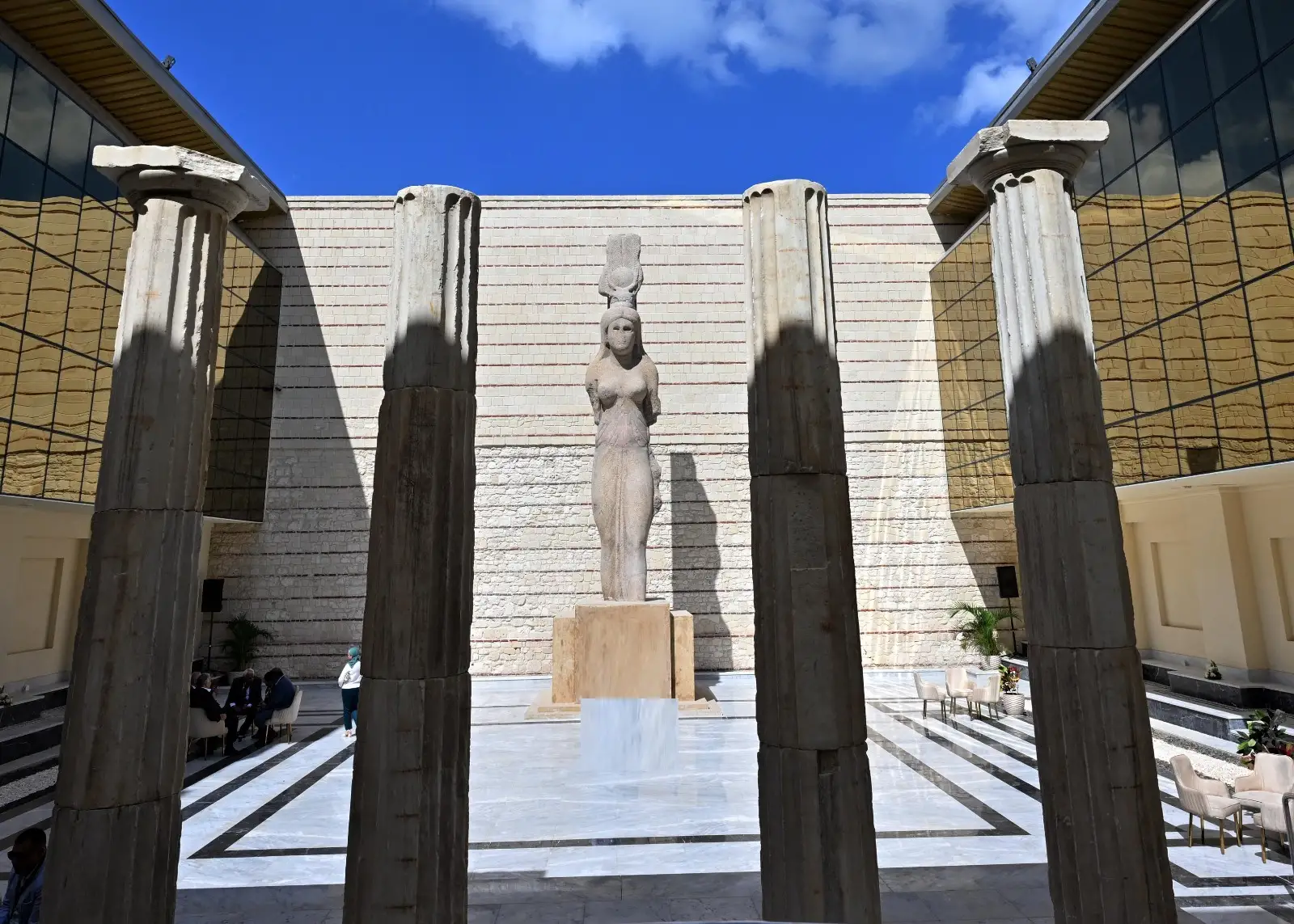
- Graeco Roman Museum The Graeco-Roman Museum of Alexandria re-opened its doors to the public in 2023 after 18 years of renovation work. The museum's archaeological collection is dedicated to the Greek and Roman eras of Egypt. It illustrates the periods of history from before the foundation of Alexandria by Alexander.
-
Alexandria Cultural Tour
Descend into the Catacombs of Kom El Shugafa, Egypt’s largest Roman burial site, where ancient tombs and unique Greco Roman designs reveal fascinating blends of cultures.Continue to the Roman Amphitheater, the only one of its kind in Egypt, with marble seating for 800 and acoustics so perfect that even a whisper carries to the back row.
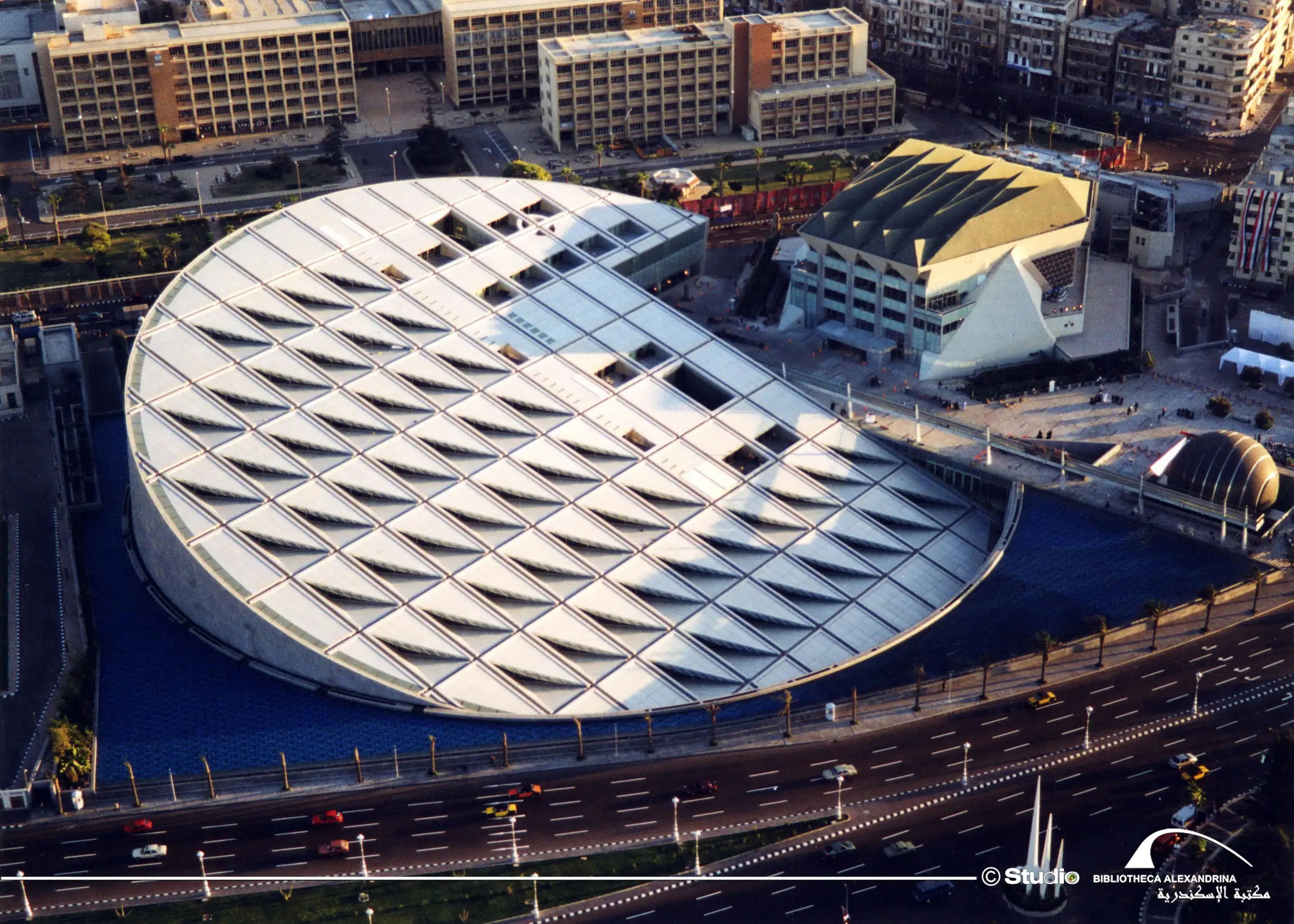
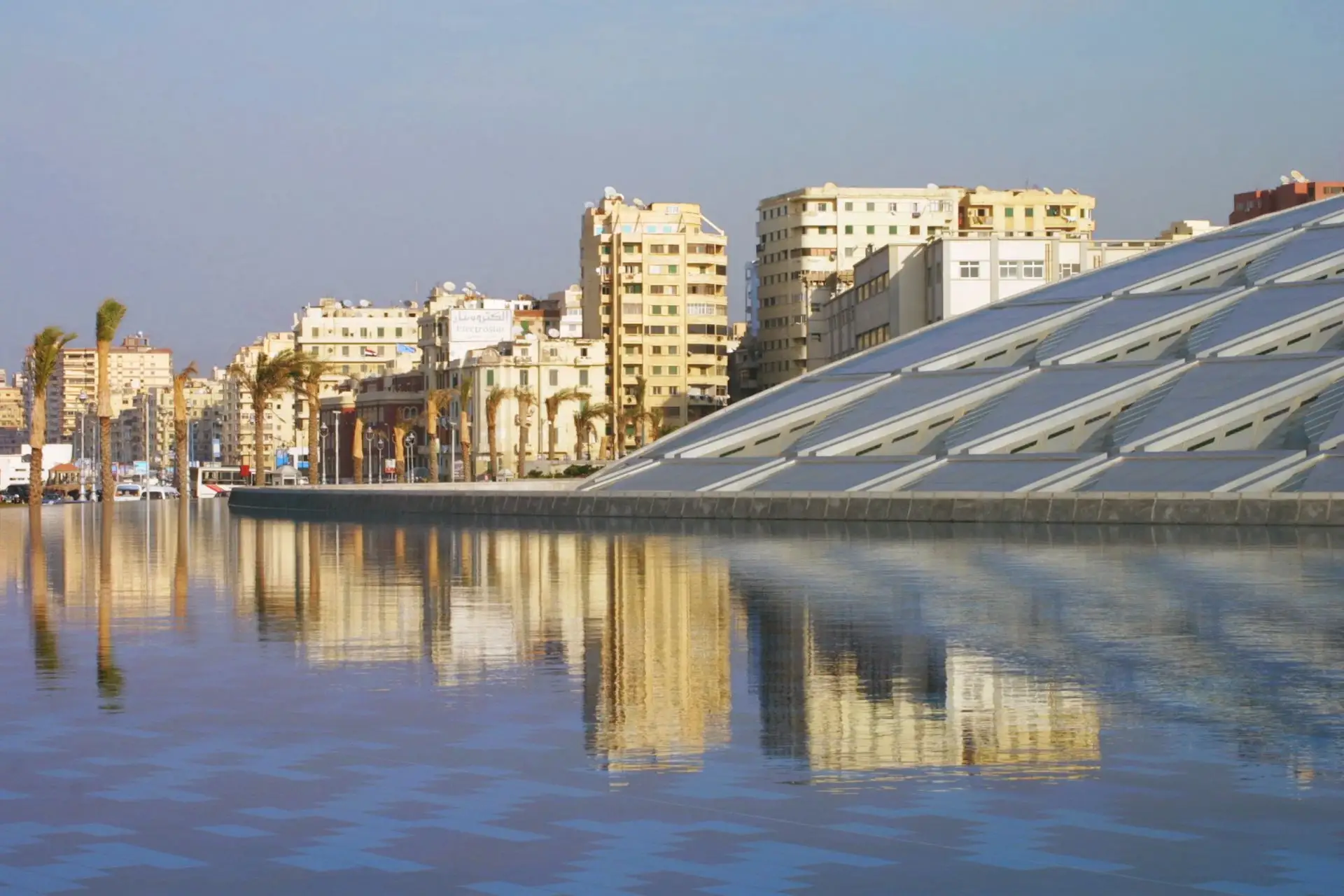
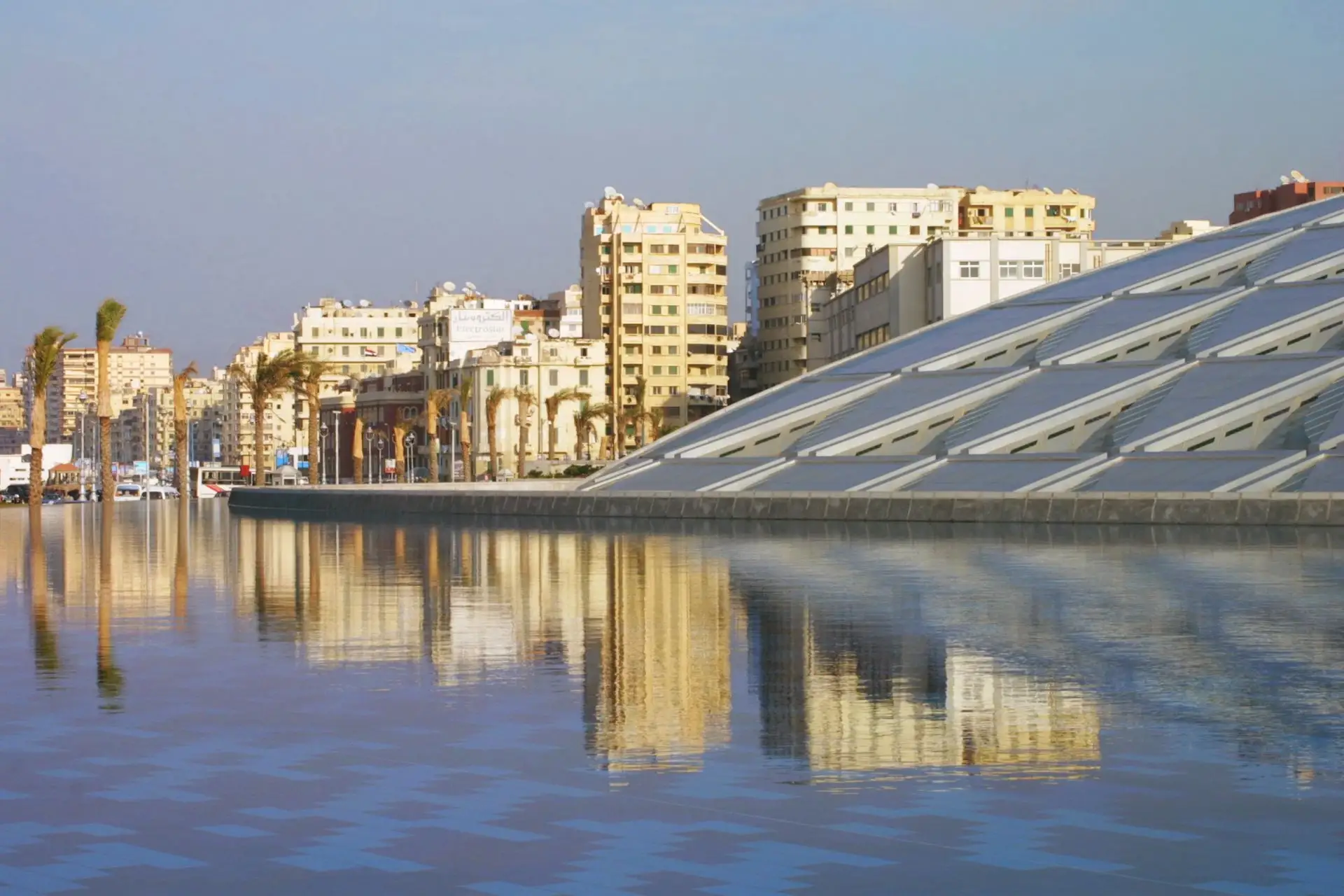
End your day at the striking Alexandria Library & Museum, a modern landmark built near the site of the ancient Great Library. Today, it stands as a hub of knowledge and culture, featuring exhibitions, a planetarium, and a world class research center. -
Alexandria -Half Day tour
View pieces from all the eras of Egypt's history at The Alexandria National Museum, which comprises more than 1,800 archaeological pieces that narrate the Pharaonic, Greek, Roman, Coptic, Islamic and modern history of Egypt.
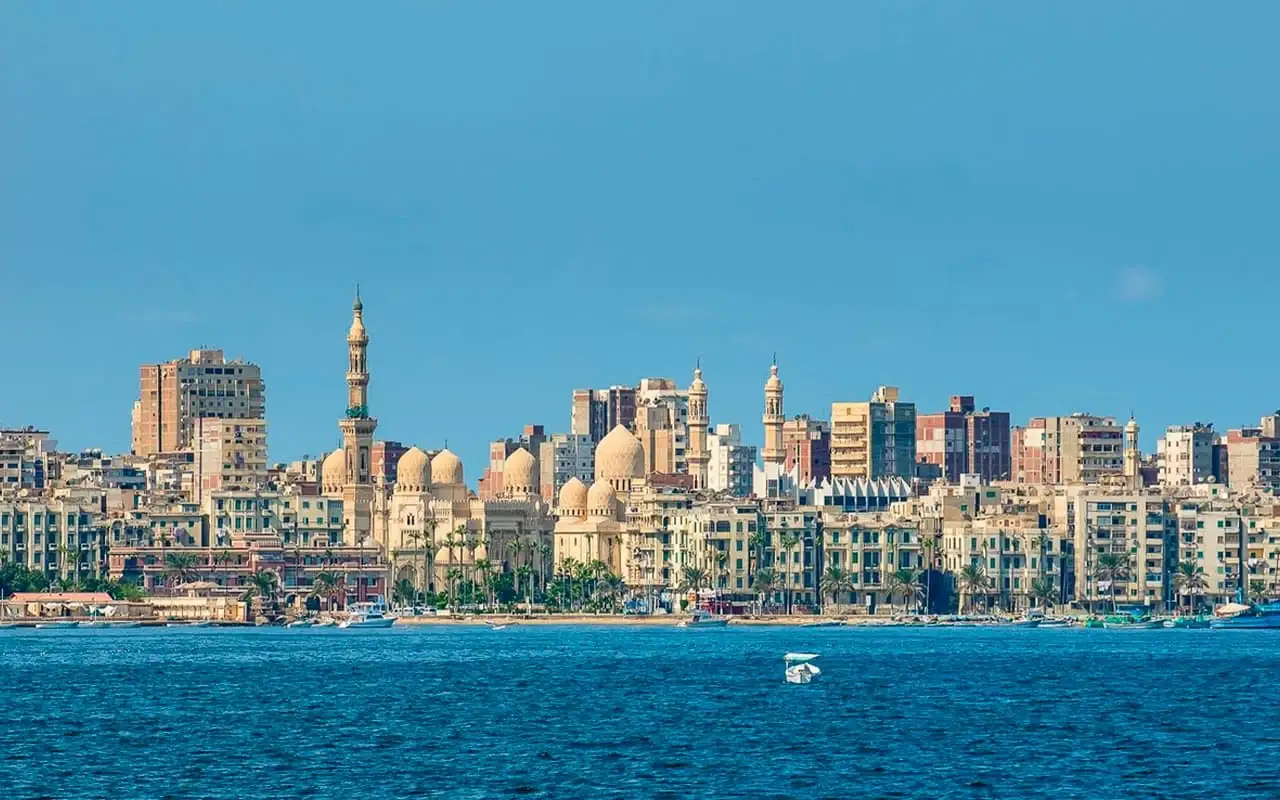
Next, visit Aboul Abbas Mosque, named after a Muslim scholar, originally from Murcia in Spain, which was then part of the Islamic Empire. The mosque is one of Alexandria's largest and most famous religious monuments. The mosque was first built over the tomb of an Andalusian Muslim saint in 1775 and rebuilt in 1943, with a towering minaret reaching 73 meters (240 feet) and four domes.
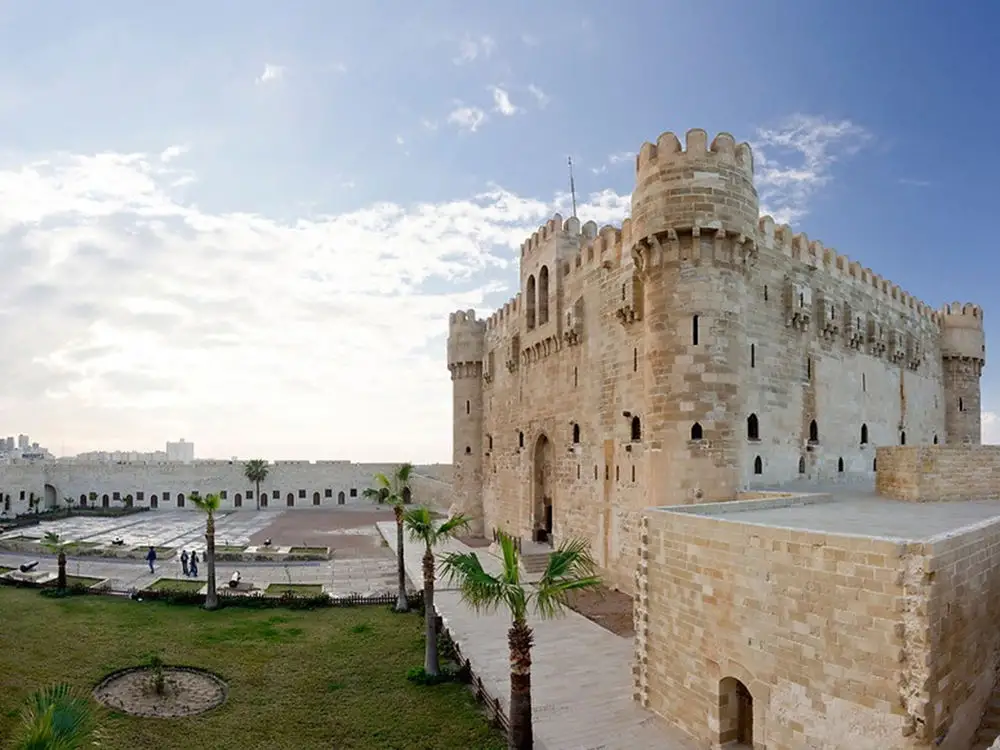
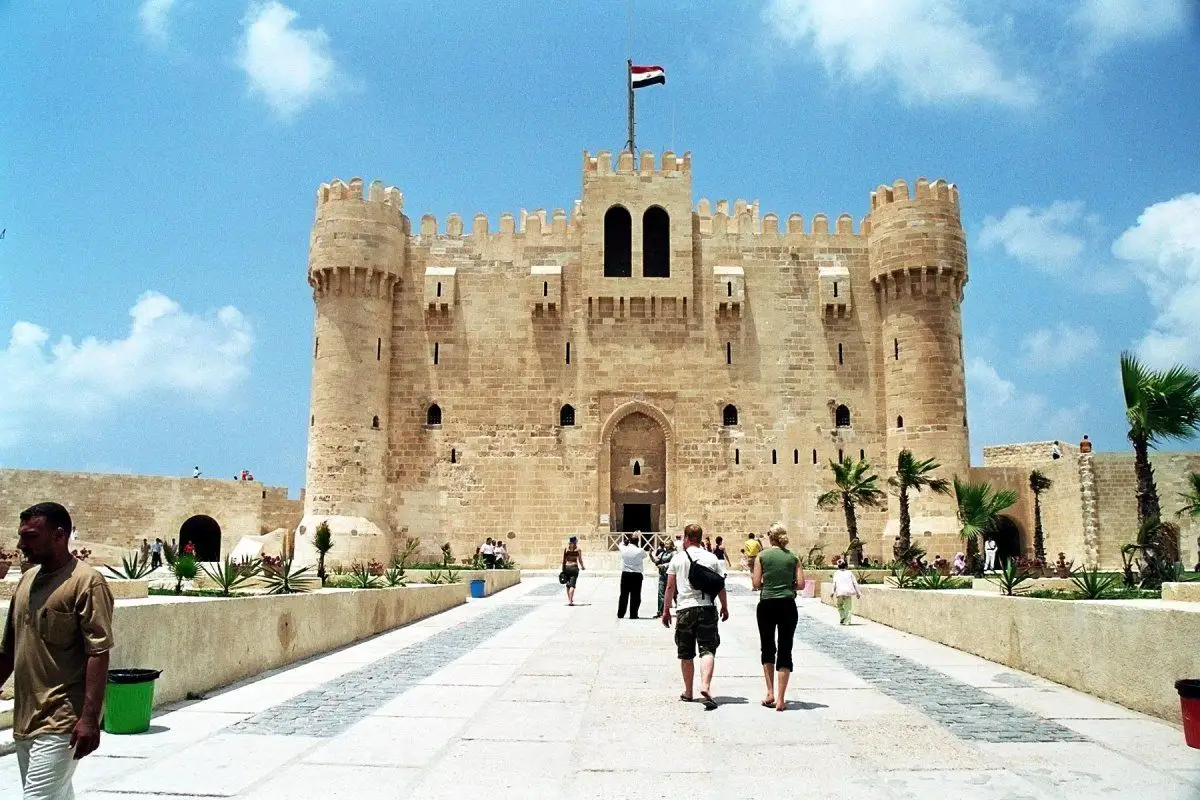
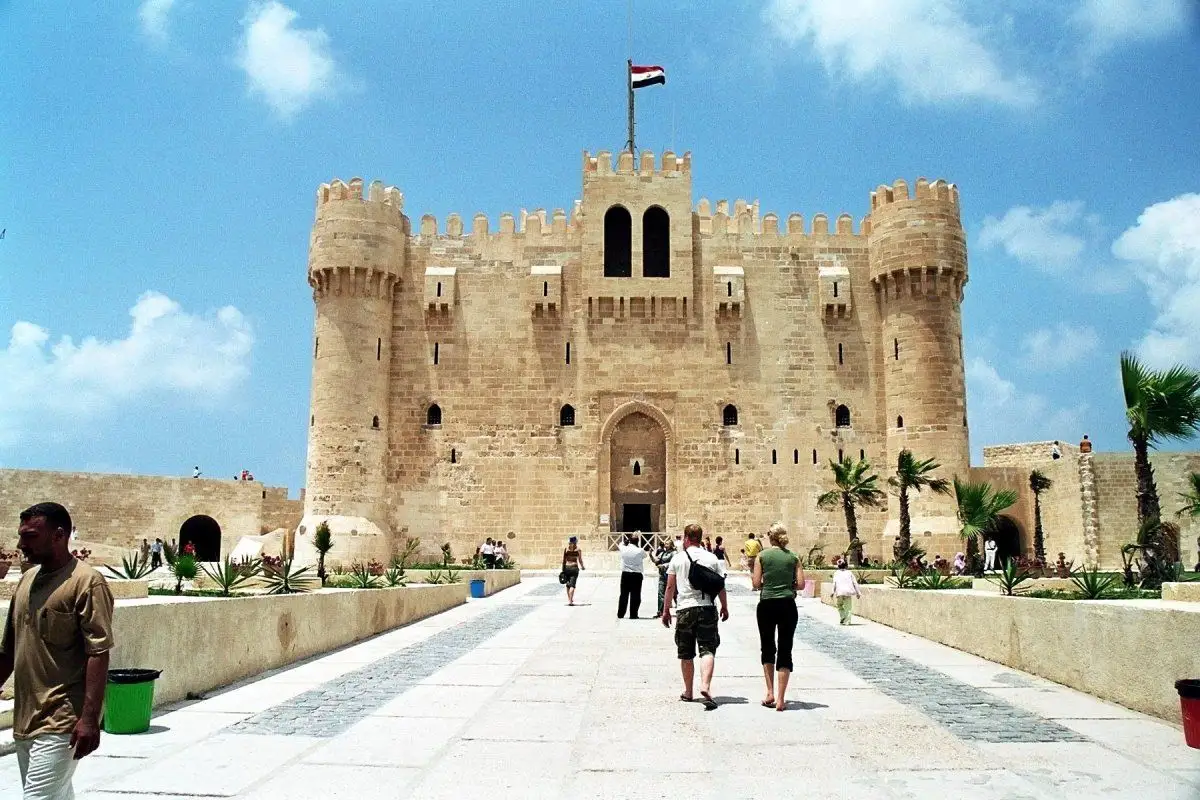
Finally, continue on to Qait Bay Fort. Set on the site of the famous Pharos Lighthouse of Alexandria and using some of its stone ruins, the fort was built by Sultan Al Ashraf Qaitbay in 1480 to guard Alexandria's Eastern harbor. One of the most important defensive strongholds on the Mediterranean coast in its day, this majestic sand-colored complex includes a castle and a mosque. -
Alexandria Local Markets
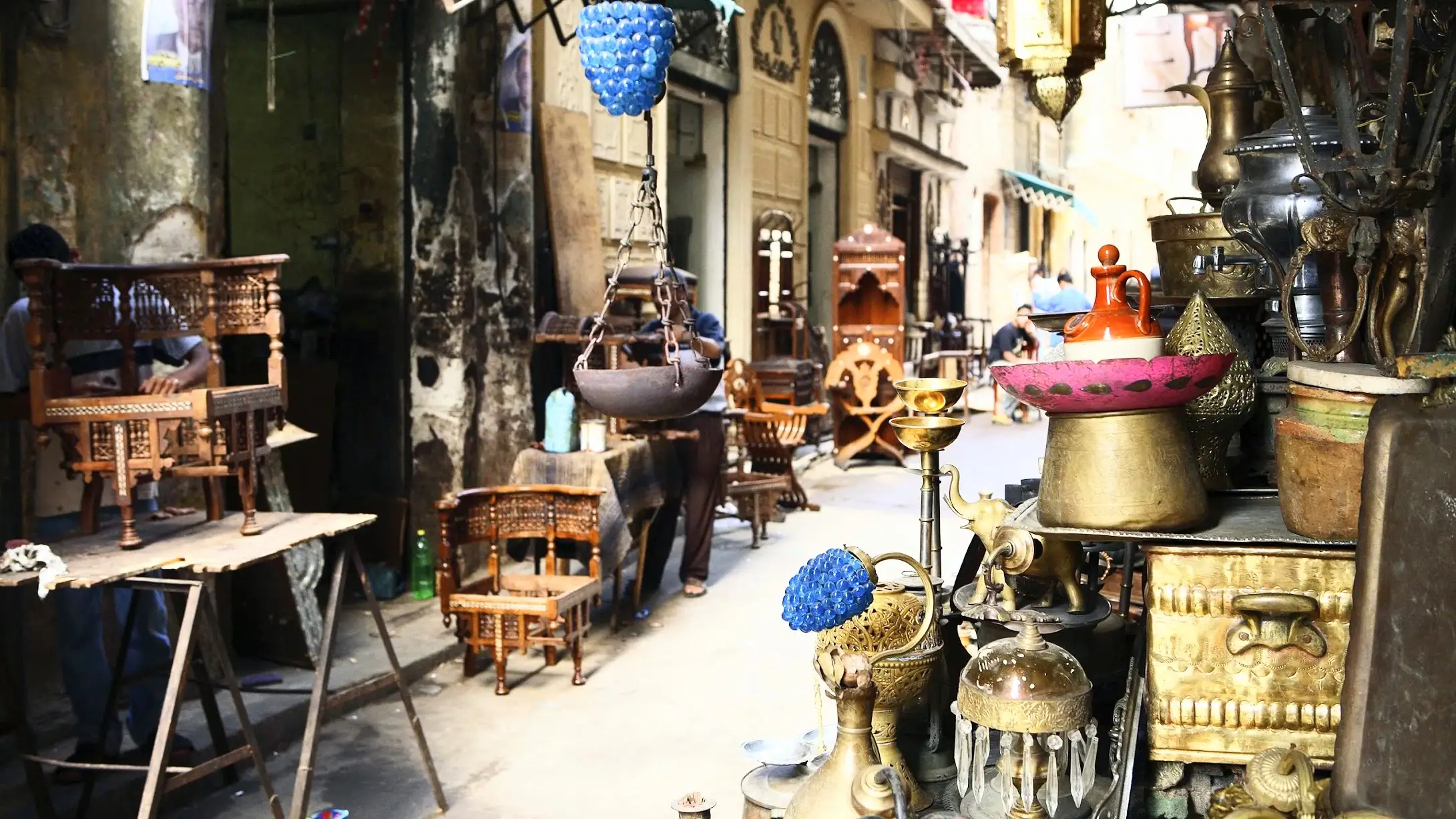
Local Markets of Alexandria Wander through Souk El Attareen, Alexandria’s famous spice market, where fragrant stalls echo centuries of trade and tradition.
Then explore the lively Zanquet El Setat Market, a vibrant maze of colorful alleys filled with fabrics, silks, bridal accessories, and jewelry. Known as “The Street of Women,” it attracts visitors from all walks of life and remains one of Egypt’s most unique and bustling shopping destinations. -
Wadi Natroun Monasteries
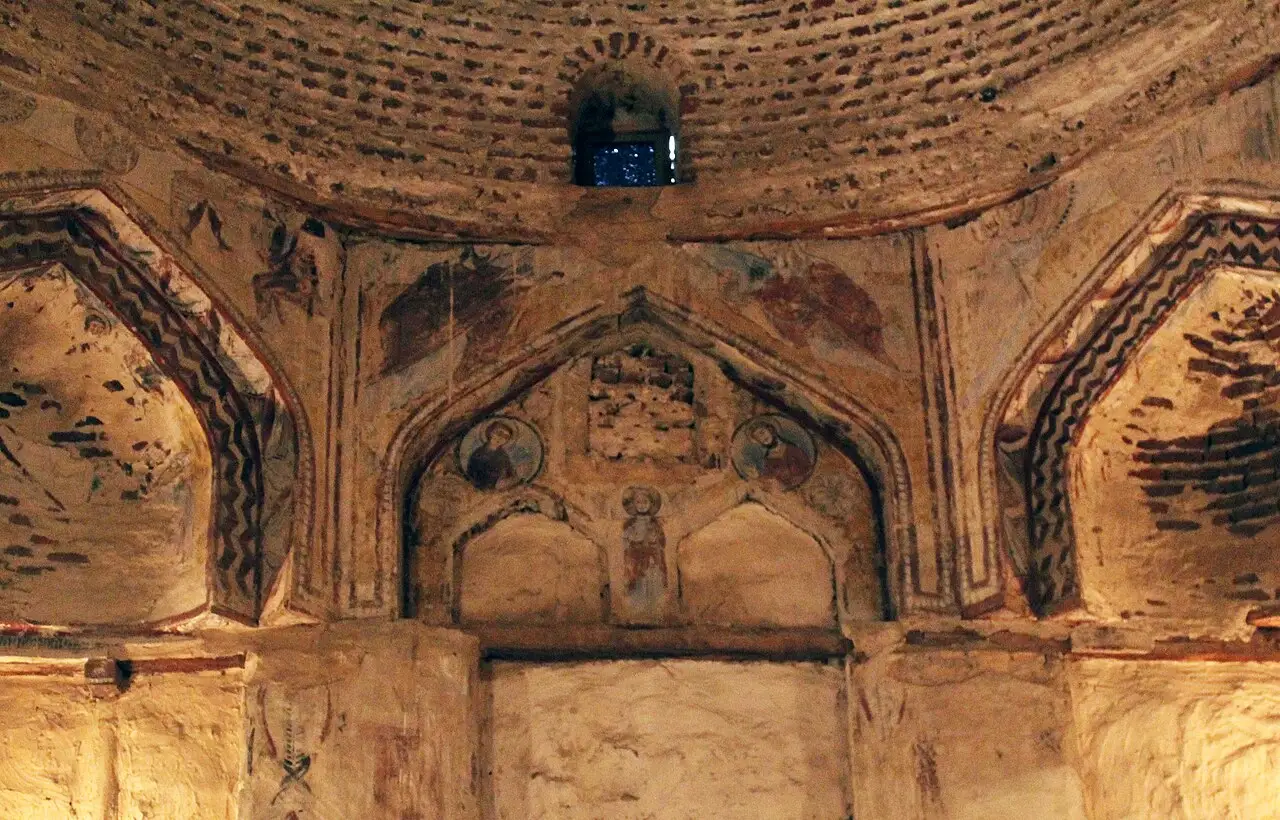
Travel along the Cairo–Alexandria road to Wadi El Natroun, once prized by the ancient Egyptians for its salts used in mummification. Over centuries, the valley became a sanctuary for early Christians, with monastic life flourishing here from the 4th century.
Today, four historic monasteries remain:
• Anba Bishoy Monastery
• Baramus Monastery
• Abu Makar Monastery
• El Suryan Monastery
Each offers a glimpse into Egypt’s rich spiritual heritage, where centuries of devotion and tradition are still alive.